

About Us
Founded in 1990, IBCHN is a global research institute dedicated to understanding how essential nutrients — especially long-chain fatty acids like DHA — support brain development, maternal health, and neuro-wellbeing.
OUR HISTORY & FOUNDING
Our roots go back to pioneering work in the 1970s at the Nuffield Laboratory of Comparative Medicine, where foundational research on omega-3 and omega-6 fatty acids laid the groundwork for modern neurodevelopment science. With the leadership of Professor Michael Crawford and the support of a steering committee including Prof. Cedric Hassall FRS, IBCHN emerged to translate these discoveries into clinical research.
We initially collaborated with Hackney, Homerton, and St. Thomas’ Hospitals, thanks to funding from the Wolfson Foundation. Over the decades, we have grown into a globally recognized institute, shaping nutrition policy and care for mothers and infants around the world.
THE MAKING OF IBCHN
The IBCHN is an independent Research Institute originating from the seminal discoveries in the 1970s on the specific omega 6 and omega 3, essential fatty acid (EFA) requirement for the brain. This work was funded by the MRC. The research group that was to become the IBCHN was led by Professor Michael Crawford who was head of the Department of Biochemistry in the Nuffield Institute of Comparative Medicine, a research section of the Zoological Society of London.
Owing to the need to apply the discovery to focus on the high specialisation of human neurodevelopment, the IBCHN was formalized in 1989 by a council that included Lord Rea, Sir Michael Marmot, , Margaret Wynn, Ian-Dawson-Shepherd, Major Christopher Robinson, Professors Kate Costeloe, Gerry Shaper and Cedric Hassall with Dr Robert Lister who is the present chairman.
The application to human medicine was funded by the Wolfson Foundation. The work was then located in Hackney with its own funding. The objective was to better understand the relevance of nutrition to low birthweight because of the high, associated risk of neurodevelopmental disorder. It became a research arm and was funded by the newly formed Mother and Child Foundation with other support from national and international research funds.
The IBCHN was worked from the Hayward Research Building at the Queen Elizabeth Hospital for Children, Hackney. It trained post-graduates from the University of North London and in 1996 it was invited to join the University by Professor Ian Haines who was Dean of the Faculty Science and who following the merger with the Guildhall, became Director of Graduate School, London Metropolitan University.
The original discovery and the following papers demonstrating behavioural and neural consequences of deficits of the EFA, won several international prizes and firmly established the international reputation. Its work has provided a better understanding of the specific importance of arachidonic and docosahexaenoic acids in neurodevelopment and function. It collaborates with several national and international research groups and is currently being consulted by WHO and FAO on EFA nutrition and the brain.
OUR MISSION & OBJECTIVE
At IBCHN, we believe that brain health starts with nutrition. Our mission is to drive research that protects neurodevelopment through maternal nutrition, essential fatty acids, and evidence-based interventions. We aim to prevent neurodevelopmental and mental health disorders, improve outcomes for preterm and term infants, and promote sustainable nutrition systems , including marine agriculture, to ensure access to brain-specific nutrients globally. Through scientific rigor and cross-disciplinary collaboration, we translate biochemistry into impact.
Imperial College London Collaboration
Since 2010, the Institute has maintained a long-standing scientific partnership with Imperial College London, one of the world’s leading centres for medical and scientific innovation. This collaboration strengthens our shared mission to advance research in brain development, maternal health, and biochemical neuroscience.
Under the combined leadership of Michael Crawford and Manahel Thabet, our joint work bridges biochemistry, neuroscience, quantum brain science, and clinical research.
1. Maternal & Fetal Brain Development
Joint studies exploring:
how maternal nutrition affects fetal brain growth
the role of DHA, AA, and long-chain polyunsaturated fatty acids
biomarkers of neurodevelopmental risk in pregnancy
2. Preterm Infant Health
Collaborative studies with Imperial neonatal units examining:
nutrient deficiencies in premature infants
essential fatty acid requirements for neurological protection
biochemical pathways influencing early brain development
3. Evolution of Human Intelligence
Research connecting:
human brain expansion
marine-based nutrition
biochemical pathways unique to human cognition
4. Global Public Health & Nutrition Policy
Evidence presented jointly by IBCHN & Imperial has contributed to policies addressing:
iodine deficiency & maternal malnutrition
neurodevelopmental risk factors
long-term population brain health
Joint Research Publications with Imperial College London (2010–Present)
1. Crawford MA et al. (2012)
LCPUFA supply from the land or the sea: what is the best for the brain?
URL: https://www.karger.com/Article/Abstract/337394
2. Parletta N, Zarnowiecki D, Cho J, Wilson A, Proschek M, Robertson T, et al. (2016)
People with increased intakes of fruits and vegetables have higher wellbeing than people with lower intakes.
URL: http://www.mdpi.com/2072-6643/9/7/687
3. Parletta N, Milte CM & Meyer BJ (2013)
Nutritional modulation of cognitive function and mental health.
URL: http://www.mdpi.com/2072-6643/5/11/4526
4. Meyer BJ, Onyiaodike CC, Brown EA, Jordan F, Murray H, Chien PF, Crawford MA (2016)
Maternal plasma DHA levels during pregnancy are associated with child emotional and behavioural development.
URL: https://doi.org/10.1017/S0007114516002285
5. Cunnane SC, Crawford MA (2014)
Energetic and nutritional constraints on infant brain development.
URL: https://doi.org/10.3945/an.113.005793
6. Parletta N et al. (2017)
Improving mental health through diet and nutrition: a narrative review.
URL: https://bmcmedicine.biomedcentral.com/articles/10.1186/s12916-017-0791-4
7. Lassek WD & Gaulin SJC (2015)
The evolution of the human mind: how fatty acids shaped brain development.
URL: https://www.sciencedirect.com/science/article/pii/S0149763415000634
8. Parletta N, et al. (2019)
Improving outcomes in depression with omega-3 supplementation.
URL: https://www.sciencedirect.com/science/article/abs/pii/S095528631930058X
FOUNDERS
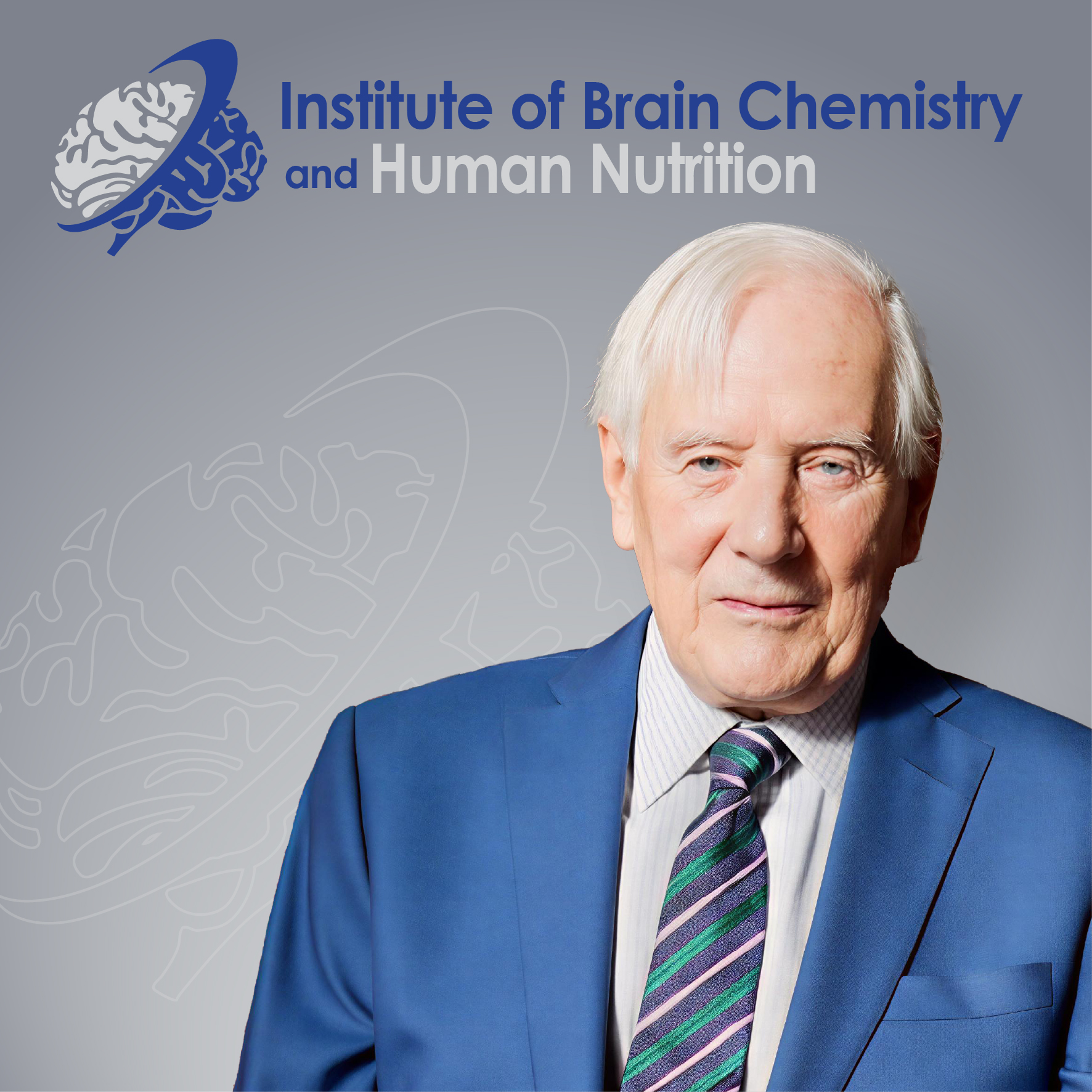
PROF. MICHAEL CRAWFORD
Founder & Director
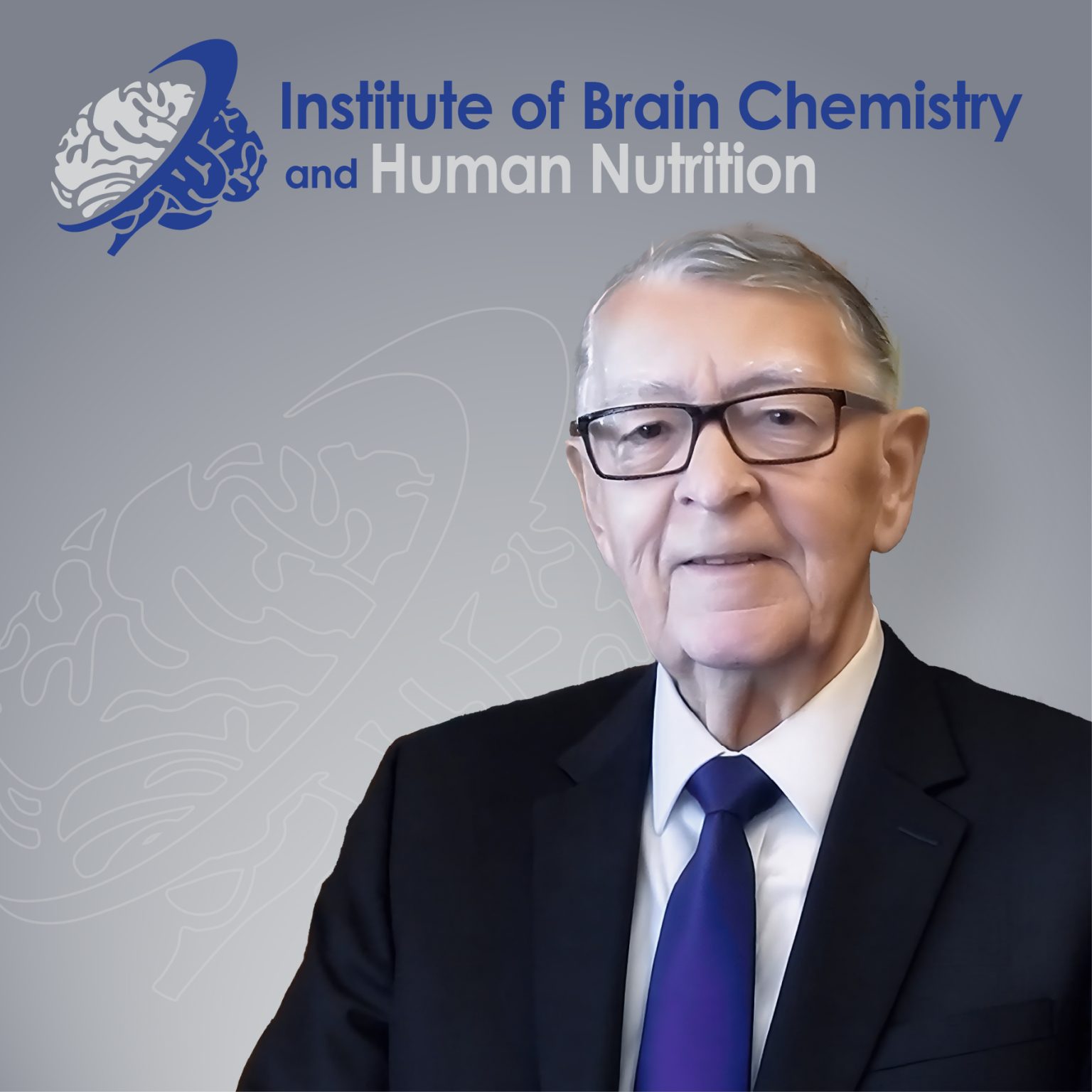
Prof. Cedric Hassall FRS
RESEARCH TEAM
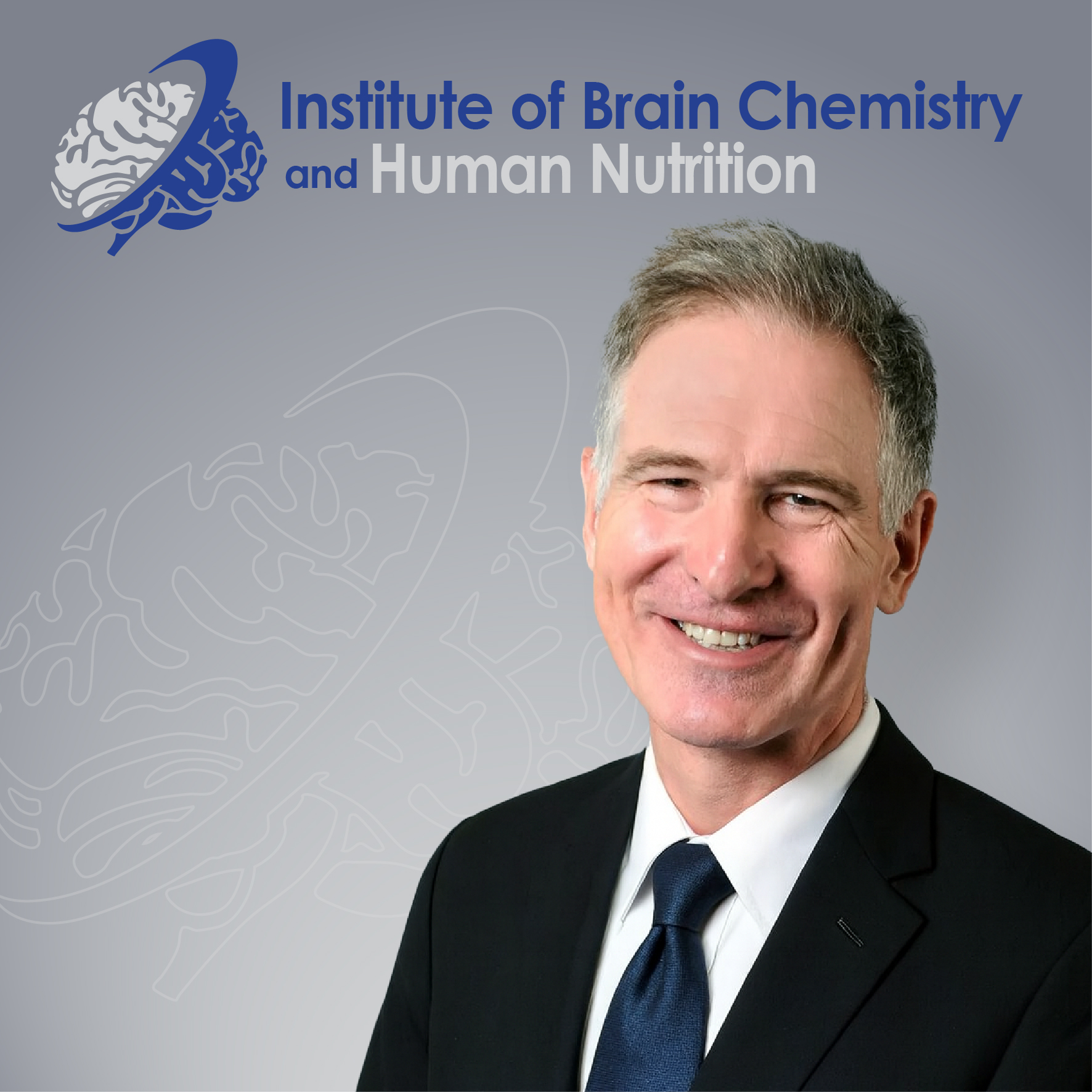
PROF. Mark Johnson
Deputy Director for DHA Research
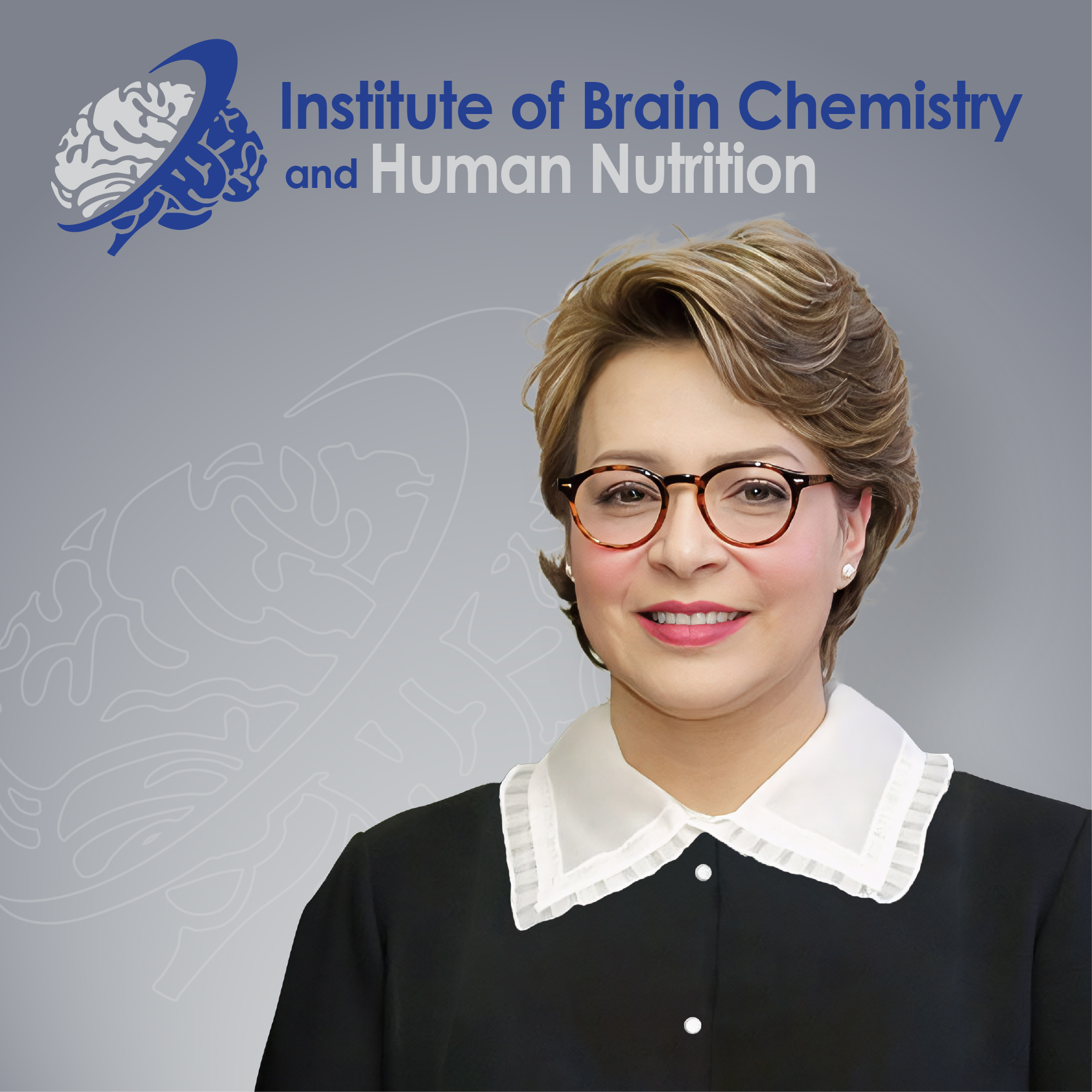
PROF. MANAHEL THABET
Deputy Director for Quantum Brain Research
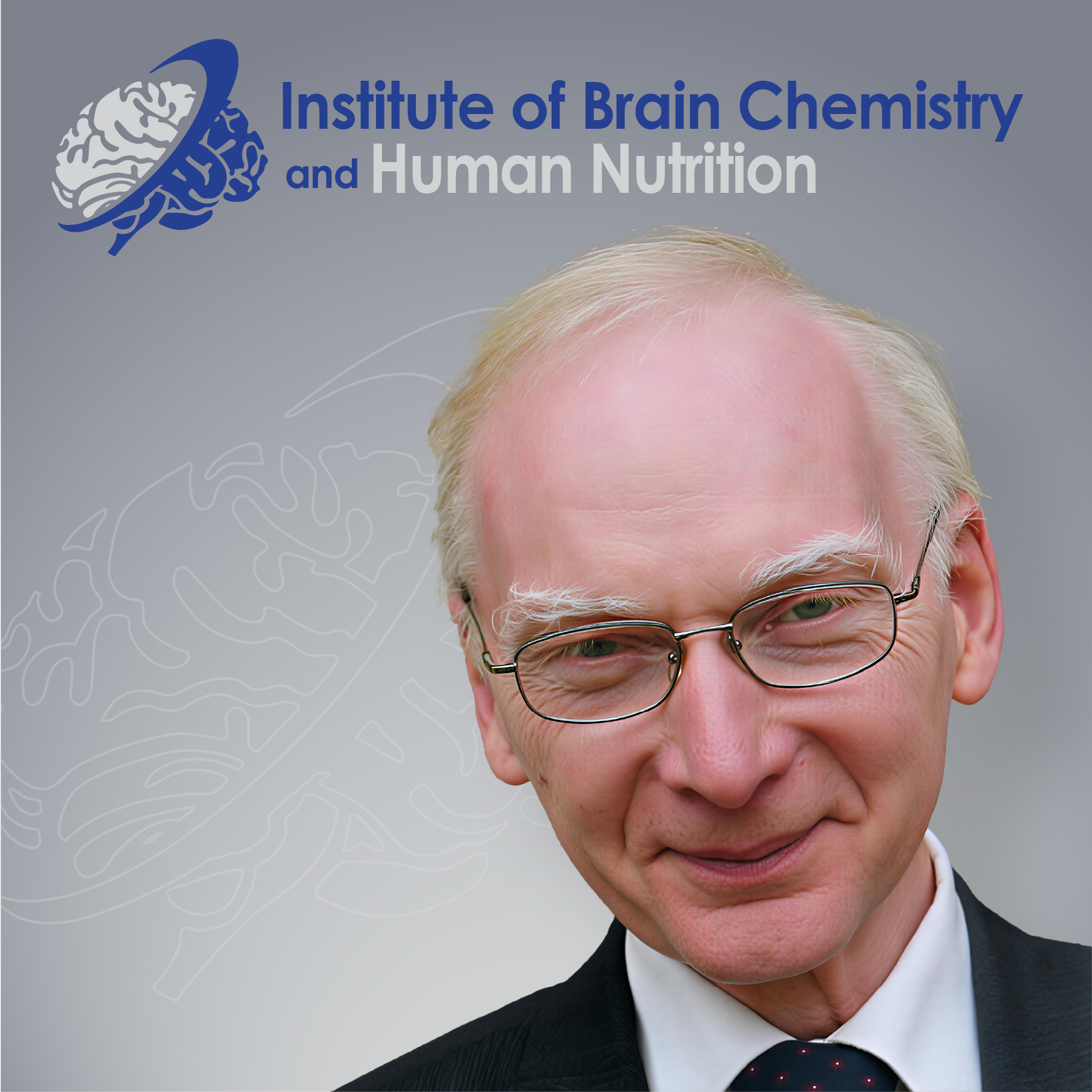
PROF. David Edwards
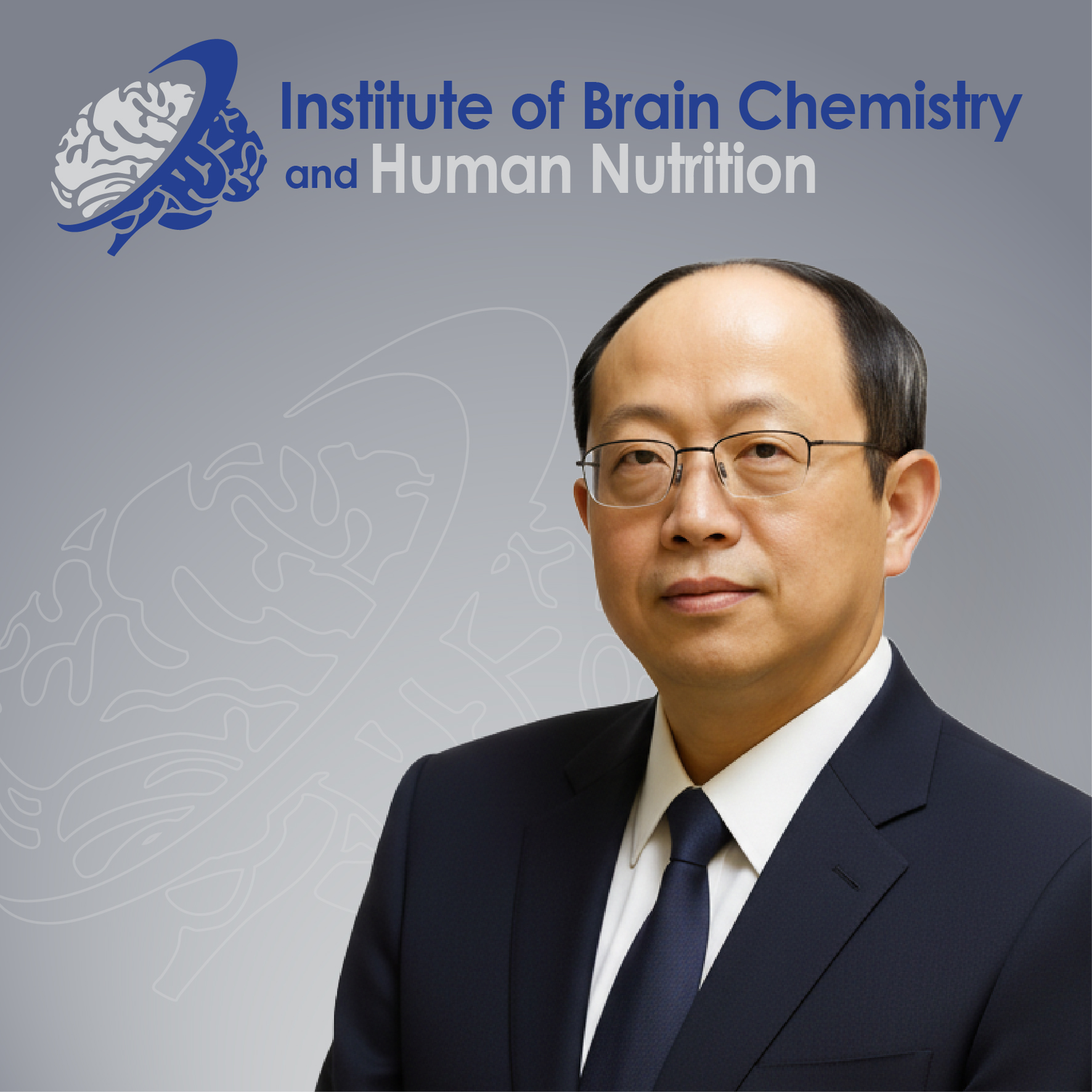
Yiqun Wang
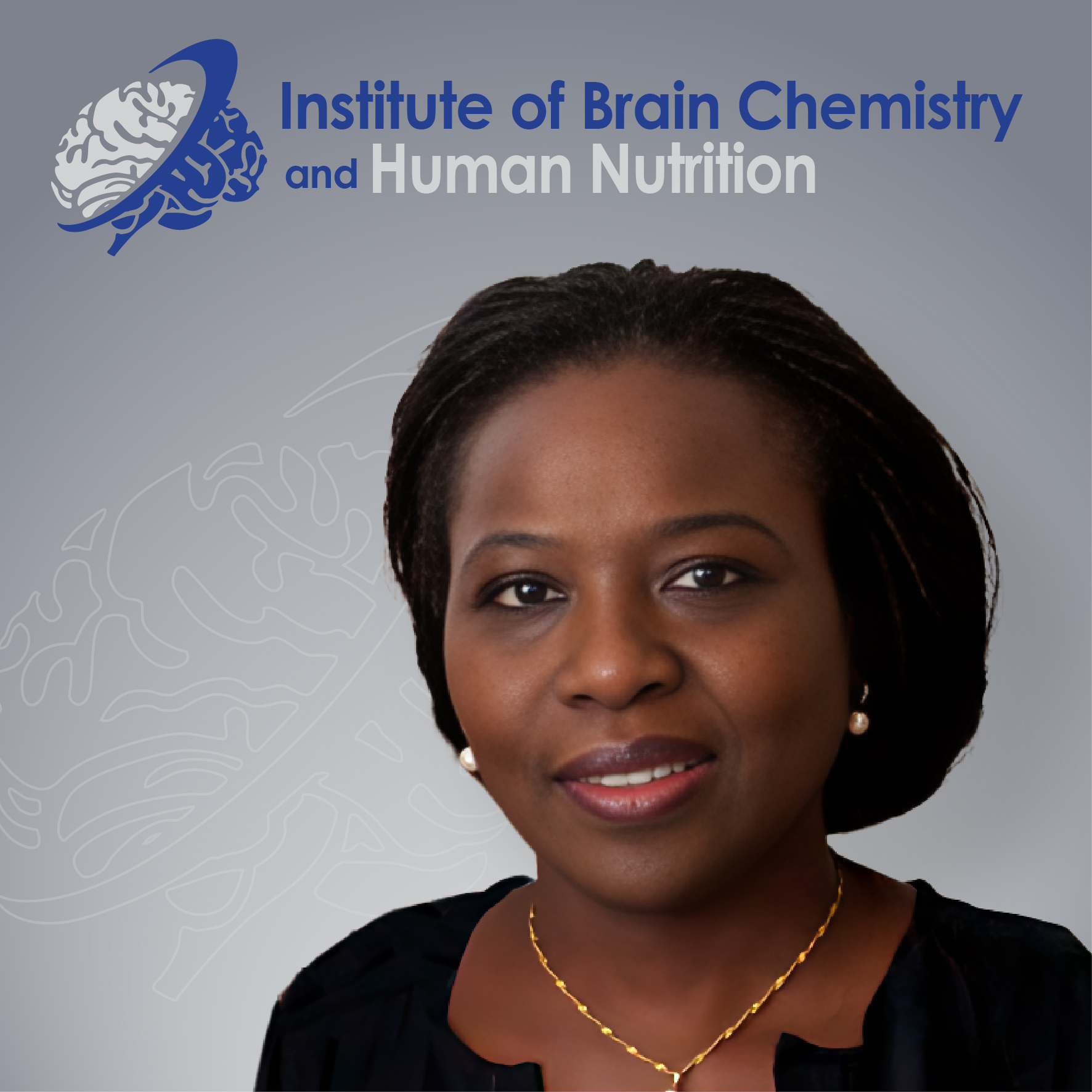
Dr. Enitan Ogundipe
PRESENT STUDY 2010
Prof Mark Johnson O&G
Prof Manahel Thabet (KSA)
Dr. Yiqun Wang Chief Biochemist
Inez Talbot Midwife
Dr. Kerena Ghauss Psychiatry
Dr. Nora Tusor Brain imaging with. Prof David Edwards (King’s)
Mohammed Al Sinami (Oman)
Dr. Enitan Ogundipe
neurodevelopment
INTERNATIONAL COLLBORATORS:
Jose Caraveo-Patin, Mexico Stephen
Cunnane, Quebec.
Leigh Broadhurst, USDA.
Tom Brenna, Austin, USA.
Capt Joe Hibbeln RTD., NIH-USA.
Prof Holm Holmsen, Norway.
Izzeldin Hussein, Oman.
Kot Nyuar, S. Sudan.
Ahmed A. Daak, Sudan.
Walt F Schmidt, RTD. USDA.
J. Zhang, China.
STAFF 2000-2014
Annette Brand
Nina Brierley
Allain Amador Bueno
Rosana Cabello-Moruno
Fawad Khalil
Keb Ghebremeskel
Verena Horneffer
Yoeju Min
Bartosx Muszynski
Prof Ram Reifen
Prof Ram Reifen
Anton Shmelev
Prof Ephraim Yavin
POST GRADUATE STUDENTS (PhDs)
N. J. Mody (MRCP) (Uganda)
Kef. Nguli (Uganda)
L. Mwasi (Uganda)
A. Lopez (Uganda)
Alistair Hay
Phil. Msuya (Tanzania)
Aron. Munhambo (Tanzania)
Ahmed Hassam (Uganda)
John P.W. Rivers
Teressa Frankel
Barbara Hall
Lawrence Hargbige
Kot B Nyuar Ahon (S. Sudan)
Izzeldin Hussein (Oman)
Y. Min (S. Korea)
J. Leyton
Manahel Thabet (KSA)
Douglas Khun (USA)
I. Golfetto (Venezuela)
Alex. Leaf
Demitris Bitsanis (Greece)
George Loucaides (Cyprus) Beverly
Thomas (MSc)
E. Koukkou
Toshiko Matsudaira (Japan)
Dequan Zhou (China)
Yiqun Wang (China)
Marita Neville
Katia Mariniello
Zahraq Ahmed
Ora Msika
Hogmei Ren (China),
Trishna Moody
Rachel Gow
Zoe Brooke
Louise Brough (New Zealand)
Anniebelle Sasine (Lebanon)